
How to Create a Fashion Tech Pack? A Complete Guide for Apparel Brands and Designers
In the fashion industry, a brilliant design idea alone is not enough to manufacture a successful garment. To transform sketches into production-ready clothing, brands rely on one essential document: Tech Pack.
Whether you are launching a startup clothing brand, working with overseas manufacturers, or scaling your apparel business, learning how to create a fashion tech pack can save time, reduce sampling errors, and improve production quality.
This comprehensive guide explains everything you need to know about fashion tech packs, including what they are, why they matter, and how to create one step by step.
What Is a Fashion Tech Pack?
A Tech Pack is a detailed document that communicates all design and production specifications of a garment to manufacturers.
Think of it as the blueprint of a fashion product. It contains every detail needed to produce the garment accurately, including:
- Technical sketches
- Measurements
- Materials and fabrics
- Colourways
- Stitching details
- Label placement
- Trims and accessories
- Construction instructions
- Packaging details
Without a tech pack, manufacturers may interpret designs differently, leading to costly mistakes, delays, and inconsistent quality.
Why Is a Fashion Tech Pack Important?
A well-structured fashion tech pack is essential for efficient apparel production. Here’s why:
- Reduces Manufacturing Errors
Clear specifications minimize misunderstandings between designers and factories.
- Saves Time and Money
Fewer revisions and sample corrections reduce production costs.
- Improves Communication
Tech packs create a universal language between brands, pattern makers, and manufacturers.
- Ensures Consistency
Production quality remains consistent across multiple batches.
- Speeds Up Sampling and Production
Factories can begin development faster when all information is organized.
Essential Elements of a Fashion Tech Pack
Before learning how to create a fashion tech pack, you need to understand its key components.
Cover Page
The cover page should include:
- Brand name
- Style name
- Style number
- Season
- Designer name
- Date
- Revision history
This helps manufacturers track updates efficiently.
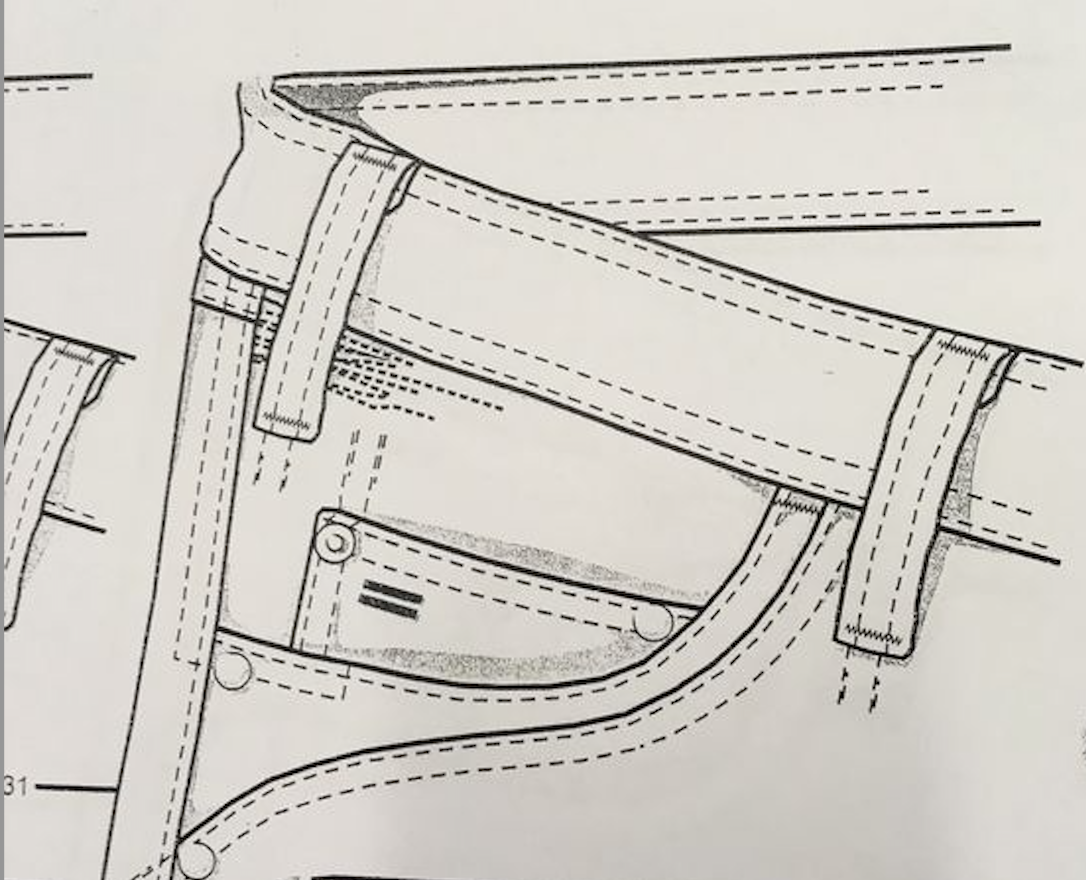
Technical Flat Sketches
Flat sketches are detailed garment illustrations showing front, back, and side views.
These sketches should clearly display:
- Seams
- Pockets
- Zippers
- Buttons
- Stitching lines
- Construction details
Use vector-based illustrations whenever possible for clarity.
Bill of Materials (BOM)
The BOM lists every material used in the garment.
Include:
- Fabric type
- GSM or fabric weight
- Composition
- Trim details
- Thread type
- Supplier references
Example:
| Component | Specification |
| Main Fabric | 100% Cotton Jersey, 180 GSM |
| Rib | Cotton-Spandex Rib |
| Labels | Woven Neck Label |
| Zipper | YKK Metal Zipper |
Measurement Spec Sheet
This section provides garment measurements and tolerances.
Typical measurements include:
- Chest width
- Body length
- Sleeve length
- Waist
- Hip
- Inseam
Accurate measurement charts are critical for fit consistency.
Construction Details
Describe how the garment should be assembled.
Include:
- Seam types
- Stitch count
- Hem finishing
- Binding instructions
- Reinforcement areas
You can also attach close-up sketches for complex construction areas.
Colourways
Show all approved colour options for the garment.
Include:
- Pantone colour codes
- Fabric dye references
- Print placement details
This helps factories match colours accurately during production.
Artwork and Graphics
If your garment contains prints, embroidery, or graphics, specify:
- Artwork placement
- Dimensions
- Printing method
- File format
- Colour references
Attach high-resolution artwork files when possible.
Label and Packaging Instructions
Provide details about:
- Neck labels
- Care labels
- Hang tags
- Poly bags
- Folding instructions
- Barcode placement
Packaging instructions ensure consistency during shipping and retail preparation.
Step-by-Step Guide to Creating a Fashion Tech Pack
Here is a practical workflow for creating a professional fashion tech pack.
Step 1: Start With Your Design Concept
Begin with a finalised design idea.
Prepare:
- Mood boards
- Inspiration references
- Fabric concepts
- Design sketches
Having a clear concept simplifies the technical development process.
Step 2: Create Technical Flat Sketches
Convert fashion illustrations into technical flats.
Use professional software such as:
- Adobe Illustrator
- CLO 3D
- Browzwear
- CorelDRAW
Technical sketches should focus on construction rather than artistic styling.
Step 3: Define Fabrics and Materials
Specify every component used in the garment.
Include details such as:
- Fabric composition
- Stretch percentage
- Wash treatment
- Trim suppliers
- Hardware finish
The more precise your material details are, the fewer sourcing problems you’ll face.
Step 4: Build Measurement Specifications
Develop a size chart with grading rules.
Add:
- Base sample size
- Measurement points
- Tolerance allowances
- Size increments
Always double-check measurements before sending the tech pack to production.
Step 5: Add Construction Instructions
Document how the garment should be sewn and assembled.
Include:
- Stitch types
- Seam allowances
- Finishing methods
- Reinforcement details
Detailed instructions reduce factory guesswork.
Step 6: Include Artwork and Branding
Add all branding assets and placement guides.
Ensure files are:
- High resolution
- Properly labeled
- Sized accurately
Mention printing techniques such as:
- Screen printing
- DTG printing
- Embroidery
- Heat transfer
Step 7: Organise Packaging Requirements
Packaging details are often overlooked but highly important.
Specify:
- Folding method
- Bag size
- Carton dimensions
- SKU labeling
- Shipping marks
This prevents fulfilment issues later.
Step 8: Review and Revise
Before sending your fashion tech pack to manufacturers:
- Verify all measurements
- Check artwork placements
- Confirm material references
- Update revision notes
A missing detail can delay production significantly.
Best Software for Creating Fashion Tech Packs
Here are some popular tools used by fashion designers and apparel brands:
| Software | Best For |
| Adobe Illustrator | Industry-standard tech packs |
| CLO 3D | 3D garment visualisation |
| Browzwear | Digital apparel development |
| Techpacker | Cloud-based tech pack management |
| Excel/Google Sheets | Simple startup workflows |
Choosing the right tool depends on your budget, workflow, and production scale.
Common Mistakes to Avoid When Creating a Fashion Tech Pack
Incomplete Measurements
Missing specs can lead to sizing inconsistencies.
Unclear Sketches
Factories need technical clarity, not artistic illustrations.
Missing Trim Information
Always specify trims, labels, and hardware accurately.
No Revision Tracking
Keep a revision log to avoid confusion with suppliers.
Overcomplicated Formatting
Use clean and organised layouts for readability.
Tips for Creating a Professional Fashion Tech Pack
- Use standardised terminology
- Keep formatting consistent
- Include visual references
- Label files clearly
- Use Pantone colour references
- Communicate updates immediately
- Maintain version control
Professional documentation improves manufacturer confidence and production accuracy.
How Fashion Tech Packs Help Apparel Startups
For emerging fashion brands, tech packs are especially valuable because they:
- Simplify factory communication
- Improve production quality
- Reduce sampling costs
- Help secure reliable manufacturers
- Create scalable production systems
A strong tech pack can make your brand appear more professional to suppliers and investors.
Final Thoughts
Learning how to create a fashion tech pack is one of the most important skills in apparel product development. A detailed tech pack acts as the foundation for accurate manufacturing, better communication, and successful production outcomes.
Whether you are an independent designer or an established clothing brand, investing time into creating professional fashion tech packs can dramatically improve efficiency, reduce errors, and elevate garment quality.
As fashion manufacturing becomes increasingly globalized, precise documentation is no longer optional, it is essential. If you’d like to outsource creating Tech Packs for your brand/products, get in touch with Apparel Tech today!